ADA / Handicap Accessible Porta Potty
Wheelchair-accessible portable restrooms in Centerton, AR.
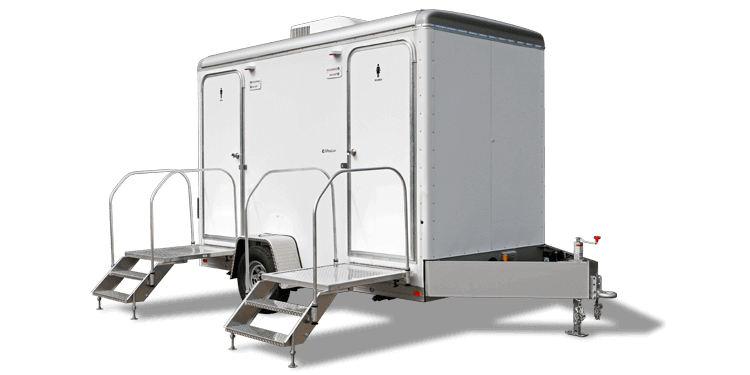
- ✓ Ground-Level or Ramp Entry
- ✓ Wide Door & Grab Bars
- ✓ 60" Turning Radius
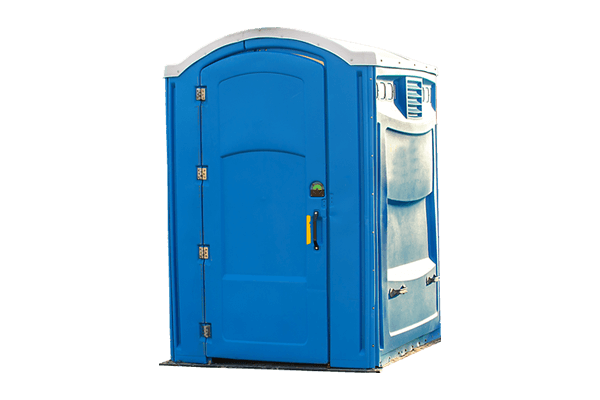
Wheelchair-accessible portable restrooms in Centerton, AR.
An accessible portable restroom should be part of a broader site-access plan. Start by identifying where people will park, enter the property, gather, and travel to the restroom area. The route should be considered for surface conditions, width, slopes, curbs, loose gravel, grass, cables, crowding, and objects that could obstruct access. A unit that is placed far from the main activity or beyond an uneven path may not serve attendees as intended. For events, locate the accessible restroom in an area that can be reached without asking a guest to cross a busy vehicle route, squeeze through vendor lines, or navigate around tables and temporary barriers. For worksites, think about how the route may change as materials, equipment, and active work areas move. Accessible needs should be discussed early, especially when planning a compact venue or a site with limited usable space. Explain whether permanent restrooms exist, how many people are expected, the length of the rental, and whether the site is open to the public. This helps create a more complete conversation than simply adding one unit at the end of the planning process. Do not assume a standard placement area will be suitable for every attendee. Weather can also affect access: wet grass, soft soil, pooled water, and changing ground conditions can alter a route quickly. Centerton Porta Potty can confirm scheduling and availability when you request a quote. Provide the Centerton location, dates, estimated attendance or crew size, and a description of the proposed path and placement area so accessibility can be considered alongside the rest of your portable restroom plan.
Quantity planning for ADA / handicap accessible porta potties should reflect the nature of the occasion and the entire restroom arrangement. Consider the expected number of users, duration of the event or project, availability of other facilities, and the possibility that guests, workers, vendors, or visitors may need accessible access. It is best not to treat accessibility as a last-minute addition after all other space has been assigned. Reserve a practical, level area early and keep the approach clear during setup, operation, and teardown. If event fencing, staging, tents, cords, or rented furniture will be added later, make sure those elements do not reduce the usable route. A designated site contact can help maintain access once the event or job is underway. Discuss rental duration honestly, including any days when crews, decorators, exhibitors, or volunteers will need facilities before or after the main activity. For longer use periods, ask about service planning according to user volume and duration. Service frequency is not one-size-fits-all, so it should be confirmed as part of the quote process. Access for placement also matters: communicate gate widths, drive conditions, overhead obstacles, site hours, and any instructions for arriving at the correct area. Centerton Porta Potty does not require you to guess these details perfectly; a concise description of the site is useful. Call (479) 447-5454, with calls accepted 24/7, or email info@centertonportapotty.com to begin. Include your address, dates, projected users, accessibility route concerns, and placement notes. Scheduling and availability are confirmed when the quote is requested.